
Quick Answer
For precision parts, vapor honing is usually preferred when manufacturers need a cleaner process, a finer and more even finish, and lower risk of abrasive contamination than dry blasting. The process uses water, abrasive media, and compressed air to create a slurry stream that treats the surface with controlled micro-erosion rather than a fully dry impact. That makes vapor honing particularly suitable for edge preparation, deburring, coating pretreatment, additive-manufactured parts, glass finishing, and cosmetic metal surfaces where consistency matters as much as removal rate.
| Core factor | Typical conclusion |
|---|---|
| Process type | Wet abrasive blasting using a water-media slurry accelerated by compressed air |
| Working pressure | Typically low to medium, selected by substrate, geometry, and finish target |
| Finish outcome | Fine, even, matte or satin surface with controlled edge effect |
| Dust behavior | Very low airborne dust compared with dry blasting |
| Primary applications | Edge honing, deburring, coating pretreatment, AM post-processing, cosmetic finishing |
| Lead-time band | Typical lead times are shorter for standard cabinets and longer for custom automated cells |
What Is vapor honing
Vapor honing is a wet abrasive blasting process in which fine blasting media are suspended in water and propelled onto a workpiece by compressed air. In industrial surface treatment, the term is commonly used alongside wet blasting, slurry blasting, and wet sandblasting. The process family is defined not by dry abrasive flow, but by a liquid-borne slurry that changes the impact behavior of the media at the part surface.
Within the broader field of abrasive blasting processes, vapor honing occupies the space between aggressive dry cleaning methods and slower bulk-finishing processes. It is selected when the manufacturer wants to clean, deburr, smooth, texture, or prepare a surface without the dust load and surface harshness often associated with dry blasting. That positioning is why vapor honing is common in cutting tools, precision-machined parts, medical and electronic components, AM parts, and decorative or cosmetic metal finishing.
The water phase is central to the process. It acts as a carrier for the abrasive and also moderates the impact, so the surface is treated by a cushioned stream rather than by a completely dry abrasive strike. This is one reason vapor honing is often chosen for parts with sensitive edges, thin sections, complex geometry, or appearance-critical faces.
In practical production terms, the process is valued for four characteristics. The first is dust suppression, because water captures much of the particulate that would otherwise become airborne. The second is a reduced likelihood of media embedding on softer or coated surfaces. The third is uniform finish, particularly when a consistent matte texture or controlled edge condition is required. The fourth is process repeatability, which depends on stable pressure, stable slurry concentration, and consistent media condition across long operating cycles.
Vapor honing is therefore not a niche cosmetic process. It is an engineered surface treatment method that can be tuned for functional or visual outcomes, depending on abrasive type, particle size, pressure, nozzle path, fixture design, and cycle logic. In many factories, it is used not because it is gentler in a vague sense, but because it is controllable in a measurable one.
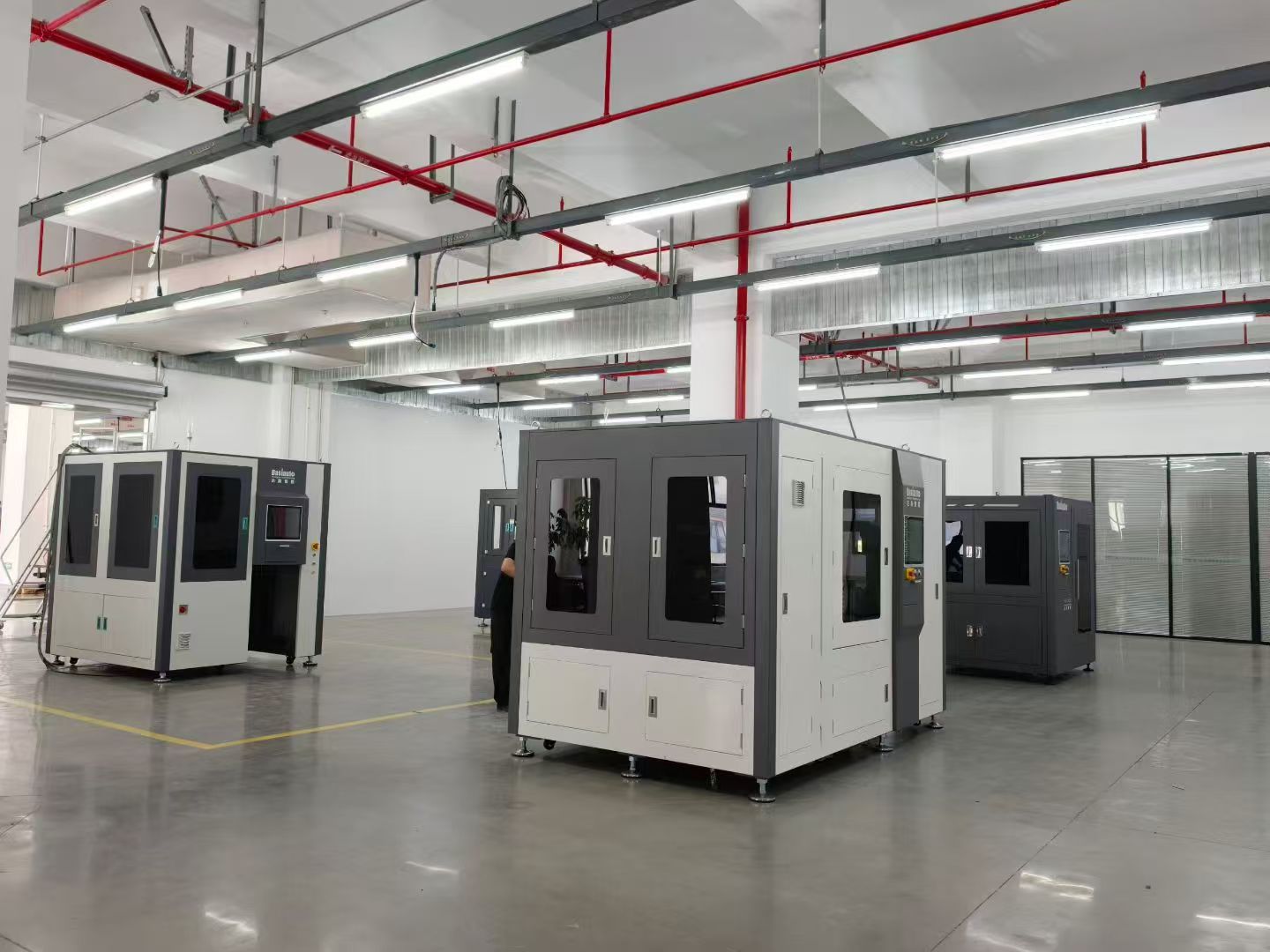
How Does vapor honing Work
Vapor honing works by circulating a slurry of water and abrasive media through a closed blasting system, then using compressed air to accelerate that slurry through a nozzle toward the part. The process depends on several linked subsystems: slurry preparation, pressure generation, nozzle delivery, recovery, sediment management, and mist control. The quality of the final result depends less on nominal nozzle force than on how consistently those subsystems hold their setpoints over time.
Slurry preparation in vapor honing
The process begins in the slurry tank. Water and abrasive media are mixed to a validated concentration window and kept in suspension by circulation. If the slurry is not mixed and recirculated properly, heavier particles settle, abrasive distribution becomes uneven, and the process can drift from one batch to the next.
Media selection is highly application-dependent. Ceramic, glass, alumina, and other engineered abrasive types can each produce different effects in cut rate, roughness, edge rounding, and visual appearance. DassiAuto’s stated process context includes four matched TR-series abrasive grades, which reflects a common industrial practice: abrasive choice should be matched to the material, geometry, particle size target, hardness, and cost objective rather than selected by habit.
Compressed air acceleration path
Once the slurry is circulated to the blasting gun or nozzle, compressed air accelerates it toward the workpiece. Air pressure sets the energy level of the stream, while slurry concentration affects the density of impacts and the overall finishing character. Nozzle diameter, stand-off distance, impact angle, and traverse speed then shape the local result on the surface.
This is where vapor honing differs from dry blasting in practical finish behavior. Because the abrasive is carried in water, impact is moderated and the surface effect can be more even, especially on edges and thin features. The result is often a more refined matte finish with less aggressive peaking or tearing than a comparable dry process.
Closed-loop slurry recovery
After striking the part, the slurry drains back into the machine and enters a recovery loop. Reusable water and media are recirculated, while fines, removed debris, and broken abrasive are separated out. A well-designed recovery loop keeps the process economically viable and helps maintain finish consistency over longer runs.
Automatic sediment handling is more important than many first-time buyers assume. When worn abrasive and process sludge are allowed to build up, the slurry becomes less predictable and finish repeatability falls. DassiAuto’s engineering description includes automatic waste-sand sedimentation and one-click discharge, which addresses exactly this production reality.
Mist extraction and visibility control
Although vapor honing sharply reduces dry dust, it still generates water mist and fine suspended residue inside the enclosure. Machines therefore need extraction and mist-control hardware to preserve visibility, maintain a stable working environment, and reduce carryover around the cabinet. In practice, poor mist handling can make an otherwise capable blasting system difficult to operate consistently.
PID pressure control and recipe stability
Industrial vapor honing depends on controlled pressure, not just available pressure. Stable blasting energy is critical when the process target is a specific edge condition, surface texture, or cleaning threshold. PID closed-loop pressure control helps hold that stability as hose wear, abrasive condition, and run time change through the shift.
Recipe management is equally important in mixed-part production. Pressure, slurry concentration, nozzle motion, blast duration, and axis position should be stored as process recipes rather than adjusted informally. That is especially relevant when one machine handles tools in the morning, machined valve bodies in the afternoon, and pretreatment work in the evening.
In precision vapor honing, the stable result comes from controlling slurry, pressure, motion, and recovery as one process loop.
| Parameter | Typical industrial range or practice | Why it matters |
|---|---|---|
| Working pressure | Typically low to medium, adjusted to material and finish target | Governs impact energy and aggressiveness |
| Slurry concentration | Typically maintained within a validated weight or volume window | Affects cut rate, finish uniformity, and process stability |
| Abrasive particle size | Fine to medium particle distributions are common for precision work | Influences roughness, edge condition, and coverage density |
| Air flow demand | Depends on nozzle size, gun count, and pressure setting | Determines utility sizing and acceleration consistency |
| Media consumption | Varies with abrasive hardness, breakdown rate, and contamination load | Drives consumable cost and finish consistency |
| Nozzle stand-off distance | Set by recipe and part geometry | Changes local impact density and uniformity |
| Control system | Manual setting or PLC/HMI recipe control with permissions | Supports repeatable production and traceable settings |
| Recovery loop | Closed-loop slurry recirculation with sedimentation and mist extraction | Preserves cleanliness, media reuse, and process repeatability |
vapor honing vs Dry Blasting vs Other Methods
Vapor honing is most often compared with dry blasting because the two processes share the same broad purpose of abrasive surface treatment. The major difference is how the media reach the part and how that affects dust, finish character, and process control. Dry blasting remains highly effective for heavy cleaning, coating removal, and rapid material attack, but precision manufacturers frequently move toward vapor honing when surface quality and housekeeping matter more than maximum aggression.
It is also useful to compare vapor honing with adjacent processes. Shot peening uses a projected-media approach but is primarily aimed at inducing compressive stress rather than simply cleaning or refining surface texture, as reflected in ASTM shot peening terminology. Vibratory finishing, by contrast, is a bulk process suited to larger numbers of smaller parts, but it lacks the nozzle-directed selectivity that makes vapor honing effective on local features, edges, and geometry-specific faces.
| Evaluation factor | Vapor honing | Dry blasting | Shot peening | Vibratory finishing |
|---|---|---|---|---|
| Main objective | Controlled cleaning, deburring, texturing, honing, pretreatment | Rapid stripping, descaling, cleaning, roughening | Functional surface strengthening and fatigue improvement | Batch smoothing and general mass finishing |
| Dust generation | Very low free dust | High unless strongly enclosed and extracted | Process-dependent; dry systems create more airborne particulate | Low airborne dust, though compounds and sludge require handling |
| Finish character | Fine, even, matte or satin | More aggressive and often rougher | Functional peened texture rather than cosmetic uniformity | Broad smoothing over longer cycles |
| Media embedding risk | Lower on sensitive surfaces because of water film | Higher on soft or coated materials in some cases | Depends on media and intensity settings | Low projected-impact risk |
| Selectivity by surface zone | High with nozzle control and fixturing | High, but with more dust burden | Moderate to high in dedicated peening setups | Lower; the process treats parts more generally |
| Repeatability | High with controlled slurry and pressure | Can drift if dry media flow and dust loading change | High when intensity and coverage are controlled | Good for bulk lots, less precise on local features |
| Best-fit applications | Precision parts, tools, AM parts, glass, appearance surfaces | Heavy rust, thick coating, aggressive cleaning | Springs, gears, fatigue-critical components | Small simple parts requiring mass smoothing |
From an environmental housekeeping perspective, vapor honing also has a practical advantage. The water phase suppresses much of the airborne particulate that would otherwise require more aggressive dust extraction and plant isolation. For pretreatment operations before painting or coating, that cleaner operating profile can complement broader surface preparation practices from AMPP where substrate consistency and cleanliness remain central to downstream coating performance.
Key Specifications to Evaluate Before Buying
A vapor honing machine should be specified from the process backward. That means the buyer should define the required surface effect, burr condition, edge condition, cycle target, part geometry, and traceability needs before comparing machine sizes. A larger cabinet or higher nominal pressure rating does not automatically produce a better result if the real requirement is stable fine finishing on a complex part.
Pressure range and pressure stability
Pressure range matters, but stable control matters more. A machine that can hold a setpoint consistently across the shift is more valuable than one that merely advertises a high top-end value. Stable pressure directly affects roughness, deburring aggressiveness, and how evenly the vapor honing result carries from part to part.
Motion-axis accuracy and nozzle path control
Automated vapor honing should be evaluated like any other precision motion application. If certain faces, grooves, tool edges, or internal features require controlled treatment, the machine needs accurate and repeatable nozzle positioning. DassiAuto’s published equipment context specifies 0.02 mm control accuracy on servo-driven X/Y/Z linkage, which is relevant when the process depends on repeatable stand-off distance and path geometry.
Throughput, cycle time, and handling logic
Nominal blast time is only one part of throughput. Loading, clamping, draining, recipe selection, visual inspection, and part changeover often define real output more than nozzle-on minutes do. Buyers should therefore ask for qualified-part throughput under expected operating conditions rather than relying on isolated cycle figures.
Workspace footprint and usable part envelope
The external size of a machine is not the same as its usable process envelope. The chamber opening, fixture clearance, tank arrangement, and service space all influence whether the system actually fits the plant layout and the part family. This is especially important for rods, flat panels, and complex parts that require path movement rather than simple basket loading.
HMI, recipe storage, and user permissions
Recipe-driven control becomes essential once the system runs multiple product families. A practical HMI should support stored recipes, hierarchical permissions, alarm tracking, and parameter repeatability. These features reduce operator drift and make validated surface treatment easier to maintain over long production periods.
Mist extraction, waste handling, and maintenance access
Vapor honing creates less dust than dry blasting, but it still produces slurry waste, spent abrasive fines, and moisture-laden air inside the enclosure. Extraction design, sediment discharge, and cleanout access affect uptime directly. A difficult cleanout routine can turn a technically sound machine into a maintenance-heavy bottleneck.
Utilities, safety, and installation readiness
Compressed air quality, water management, electrical supply, enclosure sealing, viewing-window protection, interlocks, and emergency-stop logic all deserve early review. Buyers should also consider drain routing, floor loading, and accessibility for pumps, valves, and wear parts. In real factories, installation readiness is often a bigger delay factor than the blasting hardware itself.
Applications Across Industries
Vapor honing is used across diverse industries because it can be tuned for either functional or cosmetic outcomes. In one factory, the process may be used for carbide edge preparation before coating; in another, it may be used to deburr intricate machined stainless components; in another, it may create a uniform satin texture on consumer-facing metal housings. The common feature is not the industry, but the need for controlled surface change.
Cutting tools and precision metal components
Tool manufacturers use vapor honing to prepare cutting edges, remove micro-burrs, and stabilize edge geometry before coating. Precision machiners use it to remove small burrs, refine surface texture, and clean difficult recesses without the dust intensity of dry abrasive blasting. For carbide and similar applications, edge honing of cutting tools is a natural fit because nozzle control and media selection can support controlled K-factor preparation.
Coating pretreatment and forged surfaces
For fabricated and forged metal parts, vapor honing can remove light scale, contaminants, and loose surface layers while building a more uniform substrate for downstream finishing. That is especially useful where subsequent paint, conversion coating, or phosphating depends on consistent substrate condition. In these situations, coating pretreatment wet blasting reflects a process route in which cleaning and profile control are linked to later adhesion performance.
Additive manufacturing, glass, and 3C finishing
Complex additive-manufactured parts benefit from vapor honing because the slurry stream can reach irregular geometry while leaving a more even visual surface than many dry methods. Glass and 3C components benefit for different reasons: controlled frosting, satin appearance, smooth tactile feel, and reduced visual inconsistency across large lots.
| Application type | Target industry | Typical workpiece | Process benefit delivered |
|---|---|---|---|
| Edge honing of cutting tools | Carbide tool manufacturing | Inserts, drills, end mills | Controlled edge prep and improved coating-readiness |
| Burr removing of metal parts | Precision machining, automotive supply, general metalworking | Housings, brackets, valve components | Selective deburring with stable surface quality |
| Scale removal from forgings | Forging and steel processing | Bars, shafts, forged blanks | Cleaner surface for inspection or downstream finishing |
| Pretreatment before coating | Fabrication, appliance, protective coatings | Steel and aluminum assemblies | Uniform cleanliness and improved coating consistency |
| Post-processing of AM parts | Additive manufacturing | Metal 3D-printed functional parts | Cleanup of adhered particles and smoother visual finish |
| Peening of metal parts | Automotive, aerospace, spring components | Load-bearing metallic parts | Functional surface conditioning or stress treatment |
| Glass frosting | Glass processing and display products | Panels, covers, decorative glass | Even matte appearance and texture control |
| 3C device finishing | Consumer electronics | Frames, shells, covers | Cosmetic smoothing and consistent touch-feel |
For general metalworking, vapor honing is also well suited to burr removing of metal parts when the process target is selective burr reduction rather than aggressive stock removal. The same equipment platform can therefore move between functional cleaning, cosmetic finishing, and preparation for downstream manufacturing steps.
Equipment Selection Guide
Equipment selection becomes more straightforward when buyers separate applications by production scale, part geometry, and control depth. Some operations need flexibility for frequent recipe changes and sample validation. Others need robust chamber utilization and predictable daily output. Still others justify highly specific machine formats because the workpieces are rods, plates, or intricate multi-face components that do not fit efficiently into general-purpose cabinets.
| Configuration or model tier | Target production scale | Workpiece size range | Precision level | Recommended applications |
|---|---|---|---|---|
| R&D lab-scale robot-assisted system | Sample testing, trials, process development | Small to medium mixed parts | High | Recipe validation, material trials, short-run precision work |
| Standard manual cabinet | Low-volume technical processing | Small parts | Medium | Repairs, development work, custom finishing |
| Single-chamber batch production cabinet | Routine batch manufacturing | Small to medium parts | Medium to high | Repeatable deburring, edge prep, cosmetic finishing |
| Single-piece dedicated machine | Stable one-piece flow | Small to medium individual parts | High | Consistent cycle control for fixed part families |
| Double-chamber production system | Higher-throughput manufacturing | Small to medium parts | Medium | Alternating load and blast cycles for better utilization |
| Servo multi-axis complex-part system | Precision treatment of intricate geometry | Complex 3D components | High | Multi-face parts and geometry-sensitive surface zones |
| Plate-part large-workspace machine | Broad-surface processing | Flat or plate-shaped parts | Medium | Wide panels, plates, and uniform texture work |
| Round-rod continuous system | Long-product processing | Rods, bars, shafts | Medium | Descaling and conditioning of cylindrical stock |
In process development environments, the RB-6 R&D vapor honing cell is aligned with laboratory-style trials because it supports flexible sample testing and recipe iteration. For everyday batch production, a standard chamber such as the SC-40 single-chamber cabinet is often a more efficient fit because it balances repeatability, loading practicality, and chamber-based throughput.
When plant output is limited by loading downtime rather than blasting intensity, a dual-station architecture can be more effective. A system such as the DC-40 double-chamber production unit supports alternating load and blast sequences, which can improve utilization in repetitive production schedules with stable part families.
Cost, Lead Time and ROI Considerations
The cost of a vapor honing system is shaped less by the existence of slurry blasting itself than by the depth of automation and control wrapped around it. A simple manually operated cabinet has a very different cost structure from a multi-axis system with recipe control, automated handling, integrated mist extraction, and engineered sludge discharge. Buyers should therefore compare cost per qualified part, not merely quoted machine price.
Configuration complexity is usually the main price driver. Chamber size, nozzle count, pump and tank design, wear protection, motion-axis hardware, HMI sophistication, and fixture engineering all add cost in different ways. A machine built for one stable part family may be simpler and cheaper than a machine intended to switch among multiple substrates and quality targets every day.
Lead time should be treated as typical rather than guaranteed. Standard cabinets generally move through engineering and manufacturing faster than custom systems with dedicated tooling, robot motion, or integrated pretreatment stages. Process trials, sample approval, and acceptance criteria can also extend schedules, especially when the surface requirement is visual and therefore more subjective than a single dimensional tolerance.
ROI is best analyzed across labor, quality, and downstream manufacturing effects. In manual deburring environments, vapor honing can reduce labor content and operator variability. In pretreatment applications, it can stabilize surface cleanliness and reduce coating-related rework. In cutting-tool preparation, it can support longer and more stable tool performance by producing a more controlled edge before coating.
The most persuasive ROI cases tend to involve high-value parts or high consequence of rework. If a plant is scrapping parts because of inconsistent burr removal, uneven coating adhesion, or unstable visual finish, a controlled vapor honing process can create value even without the highest removal rate. For companies formalizing process validation and production discipline, broader measurement approaches may also be informed by NIST manufacturing guidance.
Why Choose DassiAuto — Our Company
DassiAuto Intelligent Equipment Co., Ltd is a Chinese manufacturer established in 2012 and focused on wet blasting technology for industrial surface treatment. Based on the provided company context and the DassiAuto company background, it operates as a national high-tech enterprise under the ISO 9001 quality management standard and holds invention patents, utility model patents, and software copyrights related to blasting equipment and control systems. Its stated scope covers planning, design, manufacturing, sales, and application development across the full surface-treatment equipment value chain. The same context identifies eight equipment configurations spanning R&D, batch production, and application-specific use cases, with engineering features that include PID closed-loop slurry pressure control, servo-driven X/Y/Z linkage with 0.02 mm accuracy, HMI recipe management with hierarchical permission control, automatic waste-sand sedimentation with one-click discharge, and dust-collection systems that reduce water mist. Customer references listed in the company context include Wecan Cutting Tools, Ruian Carbide Tools, Huareal, Metcera, OKE, YG, Kelite, and XTC. Its service model runs from sample testing through after-sales, covering application development, process trials, planning, design, manufacturing, installation, commissioning, training, spare parts, abrasive resupply, and process optimization.
FAQ
Q1. Can vapor honing equipment be customized for a specific part family or geometry?
Yes. Vapor honing systems are commonly configured around part size, fixture strategy, nozzle path, automation level, and required finish result. Customization is most effective when the buyer defines the actual process target first, such as burr removal, edge conditioning, cosmetic finish, or coating pretreatment.
Q2. Is sample testing recommended before buying a vapor honing machine?
In most industrial cases, yes. Sample testing helps verify media selection, slurry concentration, pressure window, path strategy, and the achievable result on the actual substrate and geometry. It is especially useful when the process must balance multiple targets such as deburring plus cosmetic appearance.
Q3. What usually affects vapor honing lead time the most?
Typical lead-time drivers include equipment configuration, chamber size, automation level, fixture complexity, and whether process trials must be completed before final design release. Standard production cabinets are usually faster to deliver than custom multi-axis or integrated pretreatment systems.
Q4. What utilities and site conditions are required for installation?
Most systems require stable compressed air, electrical supply, water management, drainage planning, and enough surrounding space for maintenance access. If the process is automated, the installation plan should also consider part loading flow, safe interlocks, and the relationship between blasting, inspection, and downstream handling.
Q5. How much operator training does vapor honing normally require?
Training usually covers recipe selection, slurry management, media checks, nozzle wear inspection, daily maintenance, waste discharge, and basic troubleshooting. Automated systems also require instruction on user permissions, alarms, and the importance of keeping validated parameters unchanged during production.
Q6. What after-sales support matters most for long-term vapor honing stability?
The most important support items are spare parts availability, matched abrasive resupply, technical troubleshooting, and continued process optimization when results begin to drift. Long-term stability depends not only on the machine itself but also on disciplined maintenance, stable consumables, and timely technical response.