
How Does Shot Peening Compare to Dry Blasting for Precision Parts?
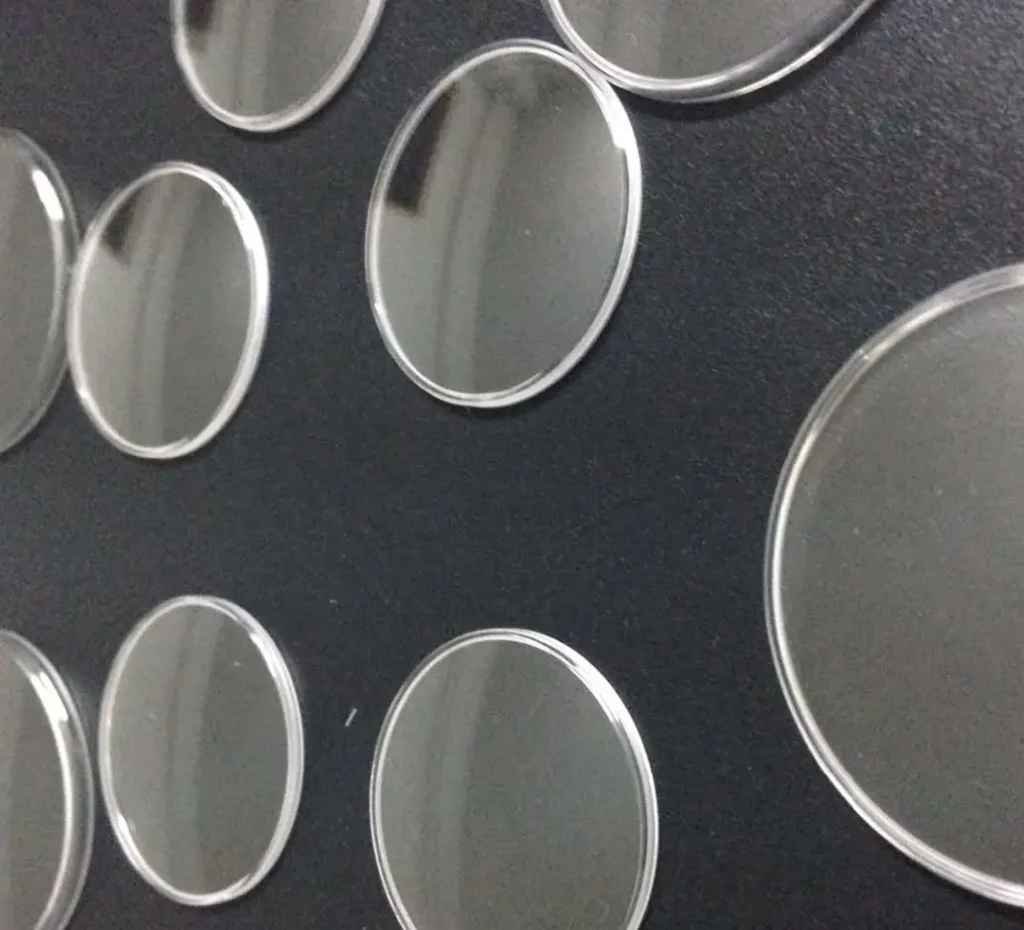
Quick Answer For fatigue-critical and surface-engineered components, shot peening is not simply an alternative to dry blasting; it is a different process objective. Dry blasting mainly cleans, strips, or textures a surface, while shot peening uses controlled media impact to induce compressive residual stress and improve fatigue resistance. In wet-process environments, slurry-based peening can also […]
How Does Dustless Blasting Compare to Dry Blasting for Parts?
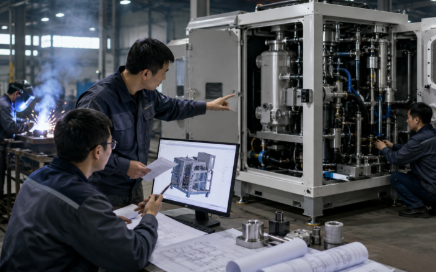
Quick Answer For many precision, cosmetic, and contamination-sensitive components, dustless blasting is often a better fit than dry blasting because it uses water and abrasive media together to suppress airborne dust, soften impact peaks, and produce a more uniform finish. In industrial surface treatment, it is especially useful for fine deburring, edge preparation, coating pretreatment, […]
How Does Wet Sandblasting Compare to Dry Blasting for Parts?
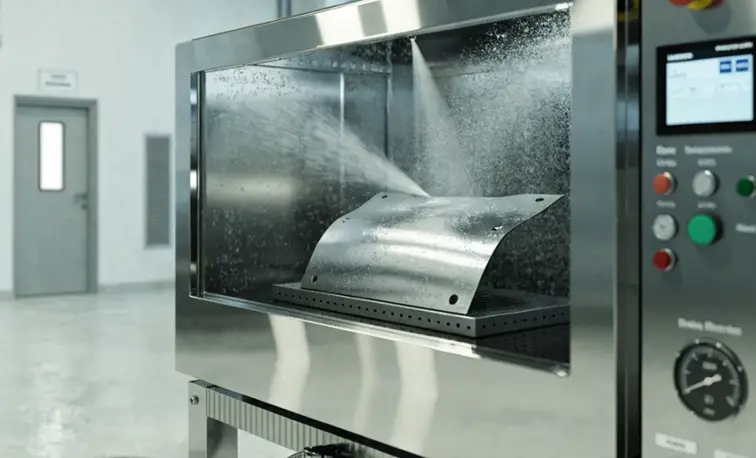
Quick Answer For precision and appearance-critical components, wet sandblasting is often preferable to dry blasting because it combines abrasive cutting action with a water carrier that suppresses dust, moderates impact, and supports a more even finish. In practice, that makes it useful for controlled deburring, edge preparation, coating pretreatment, glass frosting, and post-processing of additively […]
How Does vapor blasting Compare to Dry Blasting for Precision Parts?
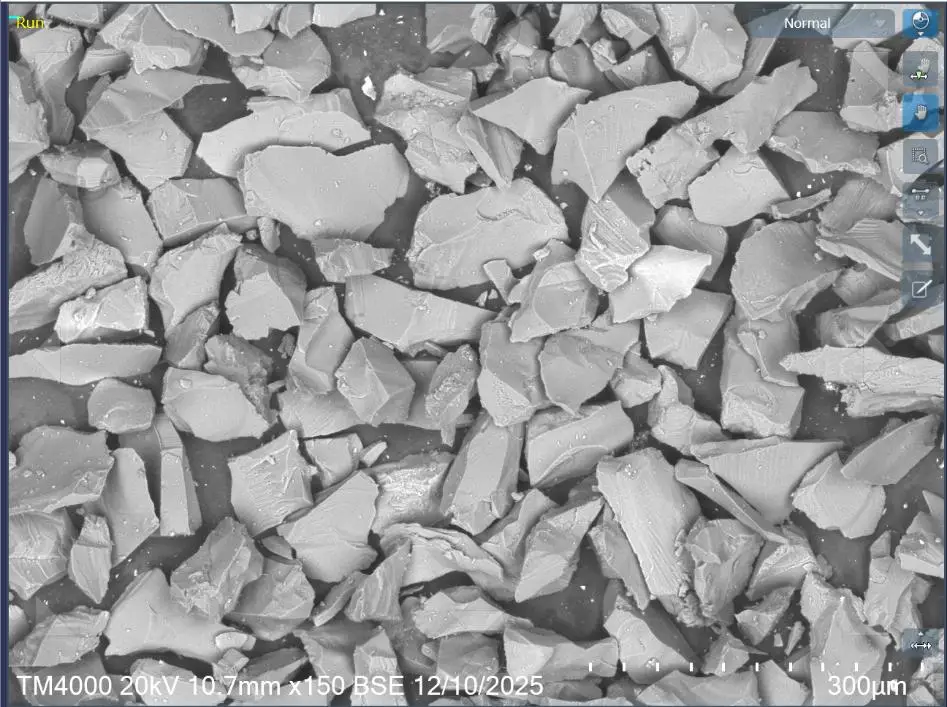
Quick Answer For precision parts, vapor blasting is usually the better choice when the target is a cleaner surface, lower airborne dust, and a finer, more uniform finish than conventional dry blasting. Because the abrasive is carried in water as a slurry, the process can soften particle impact, reduce heat buildup, and improve finish consistency […]
How Does wet blasting Compare to Dry Blasting for Precision Parts?
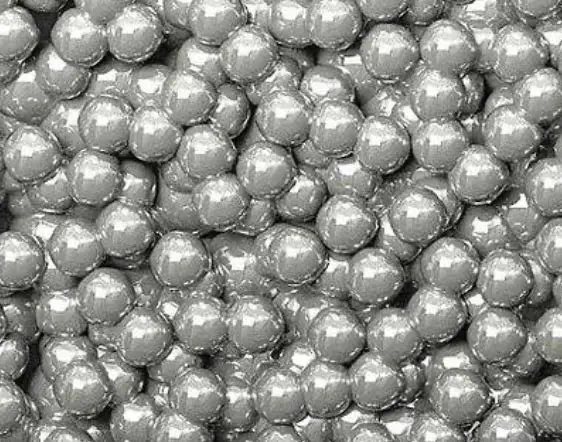
Quick Answer For precision parts, wet blasting is often preferred when the goal is a cleaner process window, lower airborne dust, tighter finish consistency, and gentler abrasive action than conventional dry blasting. Because abrasive is carried in water as a slurry, the process can reduce dust, limit heat buildup, and produce a more uniform cosmetic […]