
Which Wet Blasting System Configuration Fits Your Production Line?
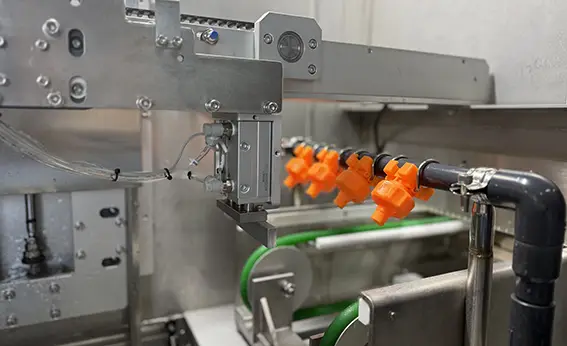
Quick Answer A wet blasting system is usually the best fit when a factory needs precision deburring, edge honing, descaling, coating pretreatment, or cosmetic finishing with tighter process stability and lower free dust than dry blasting can typically provide. By propelling abrasive suspended in water, the process creates a gentler, more uniform impact pattern, reduces […]
Which Wet Blasting Equipment Configuration Fits Your Production Line?
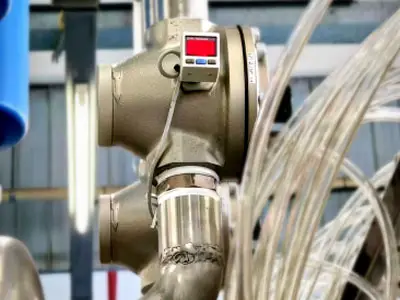
Quick Answer Wet blasting equipment is the right choice when a manufacturer needs controlled deburring, edge honing, descaling, coating pretreatment, or cosmetic finishing with lower airborne dust and more stable surface results than dry blasting typically provides. By accelerating abrasive suspended in water onto the workpiece, the process delivers a gentler, more uniform erosion pattern, […]
Which Wet Blasting Cabinet Configuration Fits Your Line?
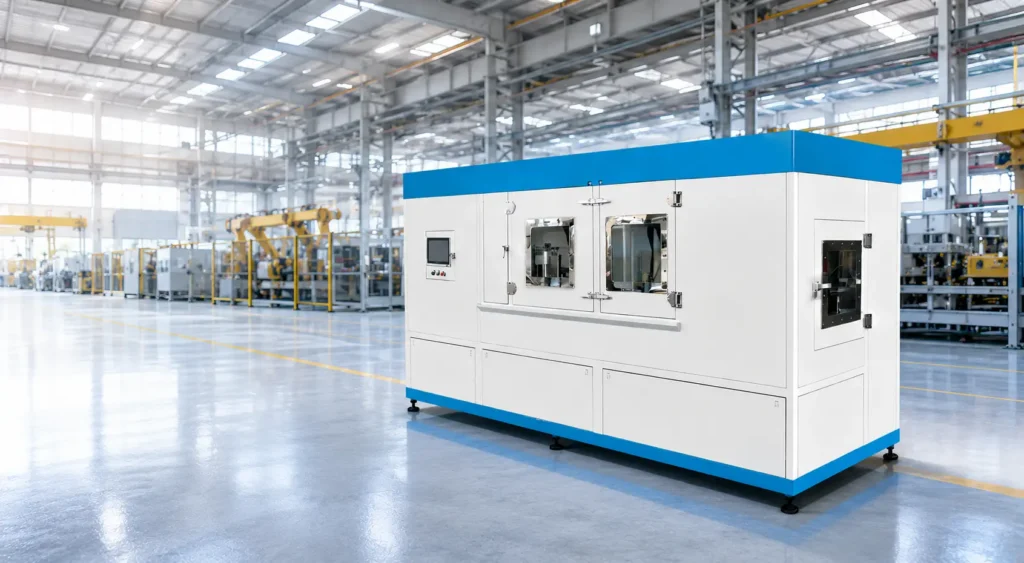
Quick Answer A wet blasting cabinet is usually the best fit when a production line needs precise deburring, controlled edge preparation, low airborne dust, and a more even technical finish than dry blasting typically delivers. By propelling a water-abrasive slurry with compressed air inside a sealed enclosure, the process supports repeatable cleaning, texturing, descaling, and […]
Which Wet Blasting Machine Configuration Fits Your Production Line?
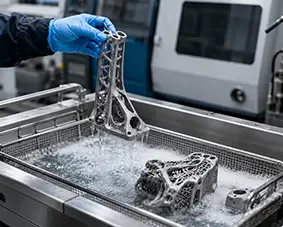
Quick Answer A wet blasting machine is the right choice when your production line needs controlled surface finishing, low airborne dust, and repeatable results across precision parts. Instead of projecting dry media alone, it uses water, abrasive, and compressed air to form a slurry stream that cleans, deburrs, edge-hones, descales, or textures the workpiece with […]
How Does Slurry Blasting Compare to Dry Blasting for Precision Parts?
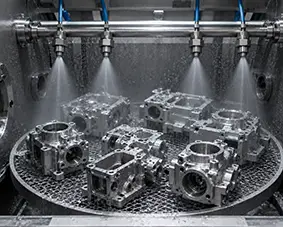
Quick Answer For precision parts, slurry blasting is often preferred over dry blasting when the goal is a more uniform finish, lower airborne dust, and tighter process repeatability. It uses water, fine abrasive media, and compressed air to create a controlled slurry stream that cleans, deburrs, edge-hones, descales, or textures the workpiece. In practice, slurry […]
How Does Liquid Honing Compare to Dry Blasting for Precision Parts?
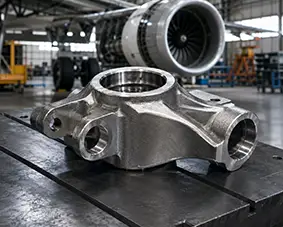
Quick Answer For precision parts, liquid honing is often a better choice than dry blasting when the priority is a controlled finish, lower airborne dust, and gentler surface action. The process uses water, fine abrasive media, and compressed air to create a slurry stream that cleans, deburrs, textures, or edge-prepares the workpiece with high consistency. […]
How Does Wet Abrasive Blasting Compare to Dry Blasting for Precision Parts?
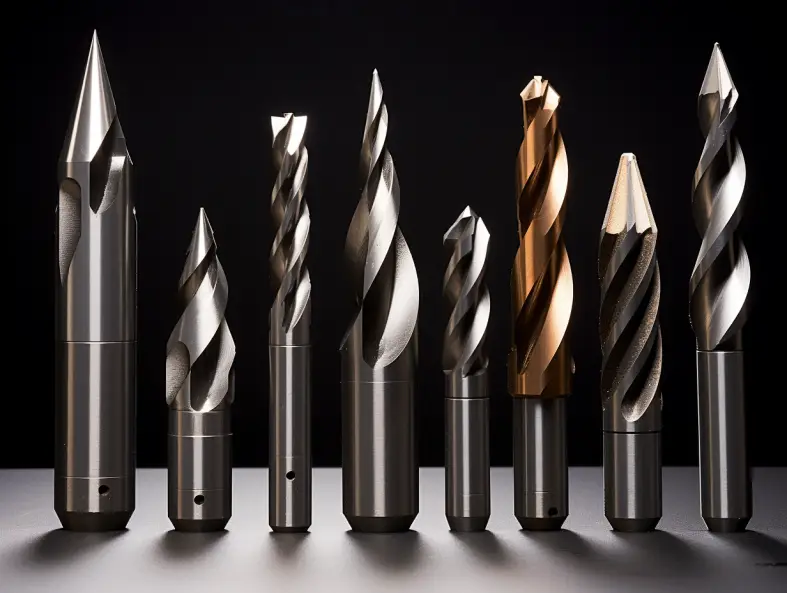
Quick Answer For precision parts, wet abrasive blasting is usually preferred when the goal is consistent surface refinement, lower airborne dust, and less risk of harsh surface damage than dry blasting. The process uses water, abrasive media, and compressed air to create a controlled slurry stream that cleans, deburrs, edge-prepares, or textures the workpiece. In […]
How Does Aqua Blasting Compare to Dry Blasting for Precision Parts?
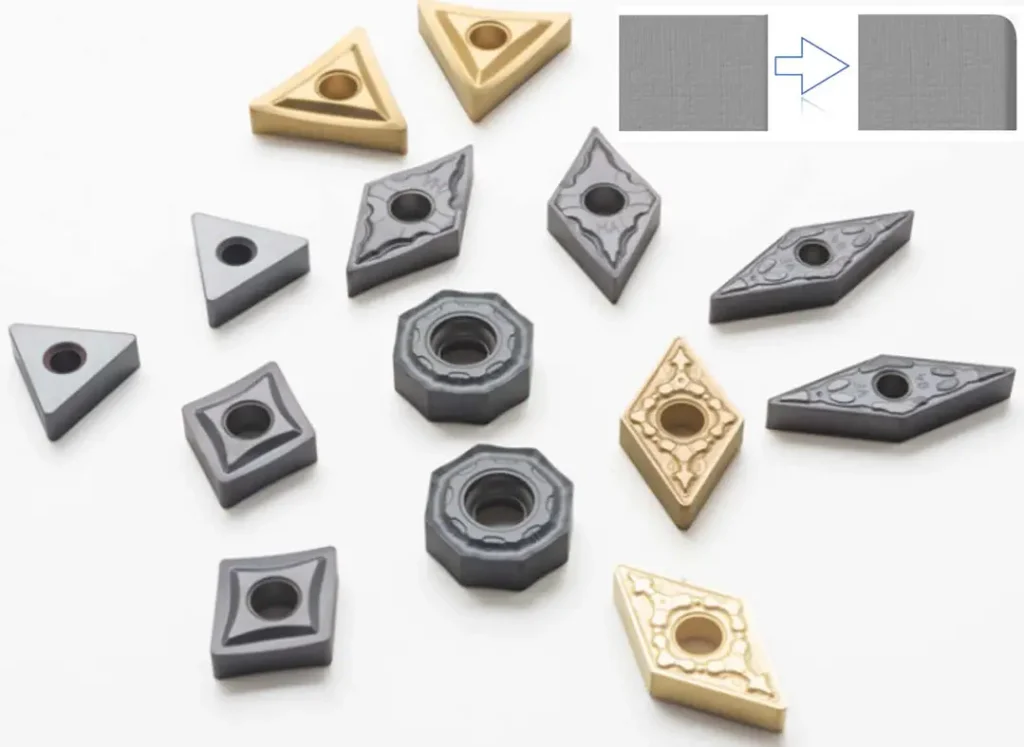
Quick Answer For precision parts, aqua blasting is typically chosen when the process priority is low dust, controlled surface refinement, and reduced risk of abrasive contamination compared with dry blasting. It uses water, abrasive media, and compressed air to form a slurry stream that cleans, textures, deburrs, or edge-conditions the surface with more moderated impact. […]
How Does Vapor Honing Compare to Dry Blasting for Precision Parts?
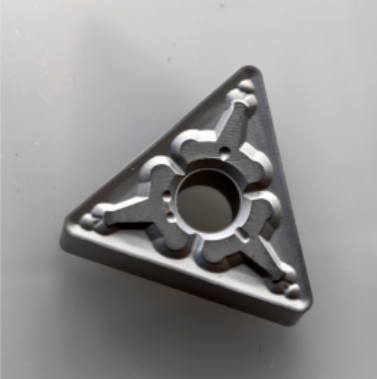
Quick Answer For precision parts, vapor honing is usually preferred when manufacturers need a cleaner process, a finer and more even finish, and lower risk of abrasive contamination than dry blasting. The process uses water, abrasive media, and compressed air to create a slurry stream that treats the surface with controlled micro-erosion rather than a […]
How Does Wet Blast Compare to Dry Blasting for Precision Parts?
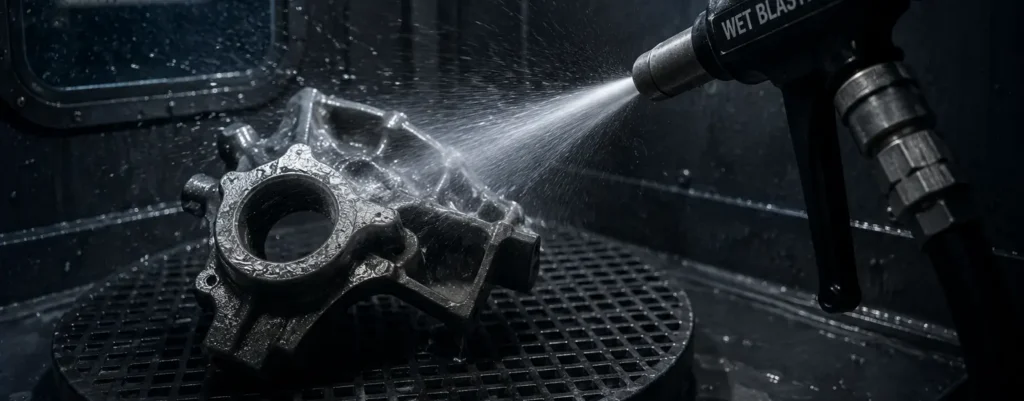
Quick Answer For precision parts, wet blast is usually chosen when the goal is cleaner operation, finer finish control, and lower risk of abrasive contamination than dry blasting. In a wet blasting system, abrasive is suspended in water as a slurry, then accelerated by compressed air onto the workpiece. That combination can reduce airborne dust, […]